
 Growing Jobs
Corn, wheat and the Church are growing in America’s heartland
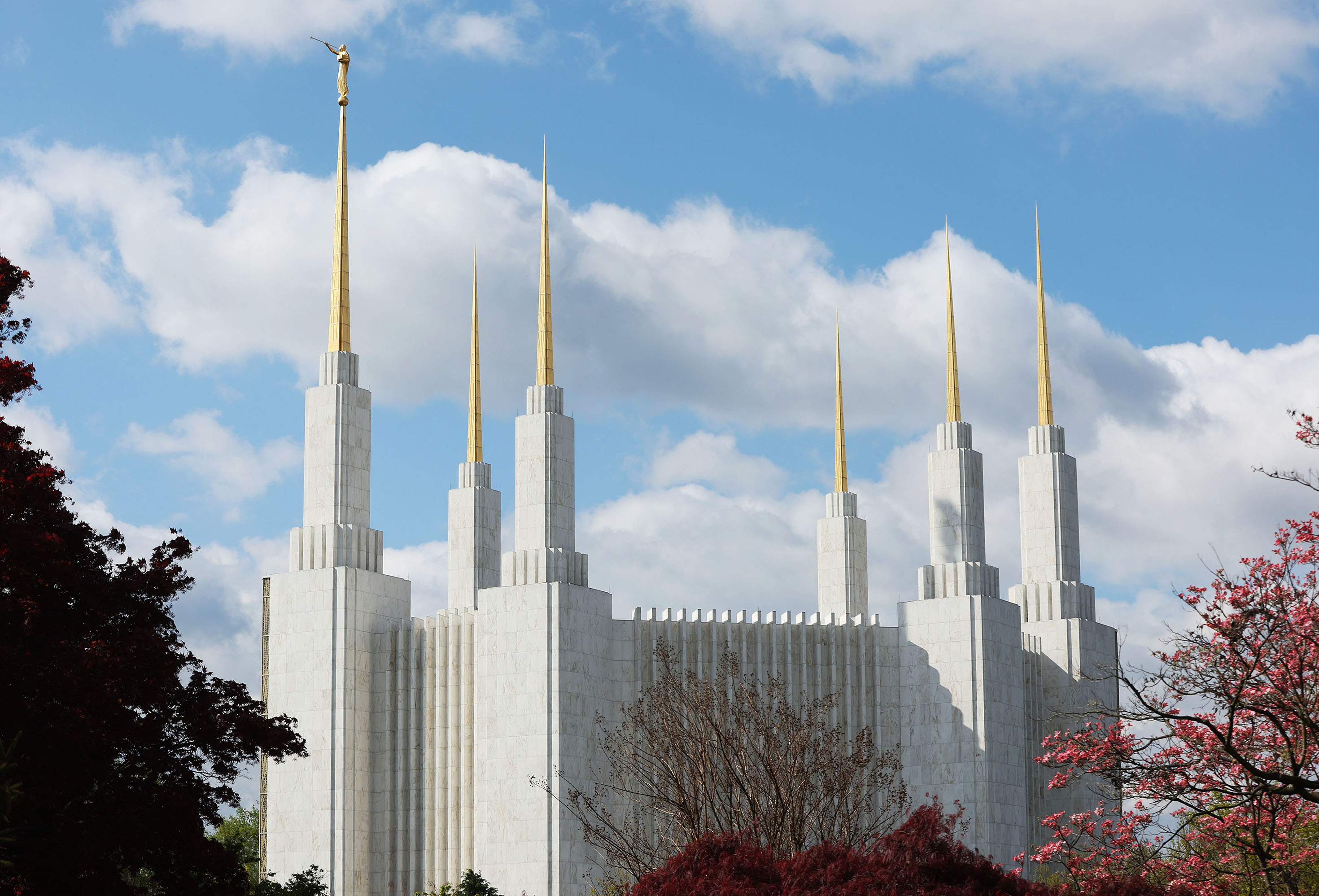
WICHITA, Kansas — Earl McIntyre moved to Wichita, Kansas, in 1978 when he took a job with Boeing. He and his wife, Caren, arrived with their two boys and two girls. The move from Maryland came with changes to their family life, school life and church life. Among those changes, the McIntyres could no longer worship as regularly as they had at the Washington D.C. Temple.

A move to America’s heartland meant a move away from a place that had come to bring much peace to their hearts.
Once in Wichita, the couple’s home would be part of a temple district that spanned nearly half the width of the United States. Their new temple was nearly a thousand miles to the west in Manti, Utah.

The absence of temple worship wore on Earl McIntyre, and he knew he needed the strength that came from sacrificing to be there.
“I felt a spiritual drain,” he said. “I had no reason other than not being in the temple.”
Speaking days before the dedication of the Wichita Kansas Temple that is scheduled to be dedicated by Elder Patrick Kearon of the Quorum of the Twelve Apostles on Sunday, Nov. 1, McIntyre said this was a good lesson for him.
“As you attend the temple, you build up a spiritual reservoir. And being away from a temple, it started to drain off,” he said.
This didn’t mean he had to be in the temple as frequently while living in Kansas as he had while living in Maryland. He understood that the Lord would help him fill that personal reservoir as he made the sacrifice to be in the temple when he could — even if that meant only a couple of times per year.
In 1984, the Dallas Texas Temple was dedicated, and the trip to a house of the Lord was cut from 15 hours by car to less than six hours. The McIntyre family had grown to include one more child by then. At one point after that temple opened, Earl McIntyre was called to serve as a temple worker.

He said he would finish work on a Friday and drive straight to Dallas. He would work in the temple all day Saturday, and then he drove home that night to attend sacrament meeting with his family on Sunday. The calling lasted about a year, and he continued to fill that reservoir.

The Church’s construction of the Oklahoma City Oklahoma Temple further cut the travel time needed to serve in the temple when it was completed in 2000. That put the drive at under three hours.
And with the opening of a temple in Wichita?

“I can make it there in 10 minutes if I don’t hit any [traffic] lights,” he said.
But as Earl McIntyre prepares to worship in the temple, he does it without his sweet wife physically by his side. Caren McIntyre died five years ago at age 70 after nearly 50 years of marriage. The temple was a part of their marriage from the beginning, and it will continue to be so now, Earl McIntyre said.
“There’s not a time I go [to the temple] that I don’t think about the covenants I made with my wife,” he said.
Their example of love and worship now carries on with their 19 grandchildren and their first great-grandchild. Earl McIntyre said he takes advantage of every opportunity to share his testimony of eternal families with his grandchildren.
“They might not understand exactly what happens in there, but they know about covenants for eternity,” he said.
McIntyre’s hopes for his children to understand the gospel of Jesus Christ extends to his neighbors and others in the community as well.

“As the scripture says, ‘the field is white already to harvest’ (see Doctrine and Covenants 4:4)” he said. “And that’s what we do around here.”
‘You’ll have to drag us out’
The growth of the Church in Kansas has taken it from a single stake that stretched from Colorado Springs, Colorado, on the west to Eureka, Kansas, on the east; and from Nebraska on the north to Oklahoma on the south; to now having eight stakes across the state.
Across all that land are fields of corn, wheat and sunflowers — the Kansas state flower. The Church is growing in its season, just like each of those plants.
Glenda Jones has seen a lot of that growth from her home in Wichita.
“We have had some great missionaries,” she said, reflecting on everything her family has seen over the past 50 years. “They were helped by all the efforts the members put in.”
She was a part of that missionary story. She was baptized a member of The Church of Jesus Christ of Latter-day Saints in 1973 after meeting her future husband, Jim Jones. The two were married the following year.
The Joneses raised their son and two daughters in Wichita, and Glenda Jones said it was a wonderful place to raise her children.
“We always had a pretty good youth group,” she said.
The community has religious diversity but not much contention among its residents.
“The community has been very welcoming,” she said. The temple sits on a road that is home to many other church buildings of other religions.
A house of the Lord in Kansas gives Glenda Jones a great feeling for the future of the Church and her friends in the surrounding areas.
“It’s going to give us so much more opportunities to attend the temple,” she said.
That level of opportunity has been met with increasing spiritual preparedness by the members of the Church in the temple district, she said.
“We’re prepared to be in the temple a lot. You’ll have to drag us out,” she said.
That preparation included Church meetings and activities.
“The Church has always had good activities reminding us who we are.”
Being spirit sons and daughters of Heavenly Father helps individuals support each other and show love to each other, she said. Jones said she knows that being a member of the Church can seem peculiar to those who aren’t familiar with the Church. But she said she hopes people also see her and others in the Church as normal members of the community.
They are Kansans. And Kansans are no strangers to hard work and long hours.
“We’re used to hard work,” she said. “It’s going to be good for us. We’re focused on the Savior and how we can help others.”
In the end, Jones says she knows the temples and the Church are here to help families stay together.
“Family always has been and always will be important,” she said. “We support one another and show love to one another.”